
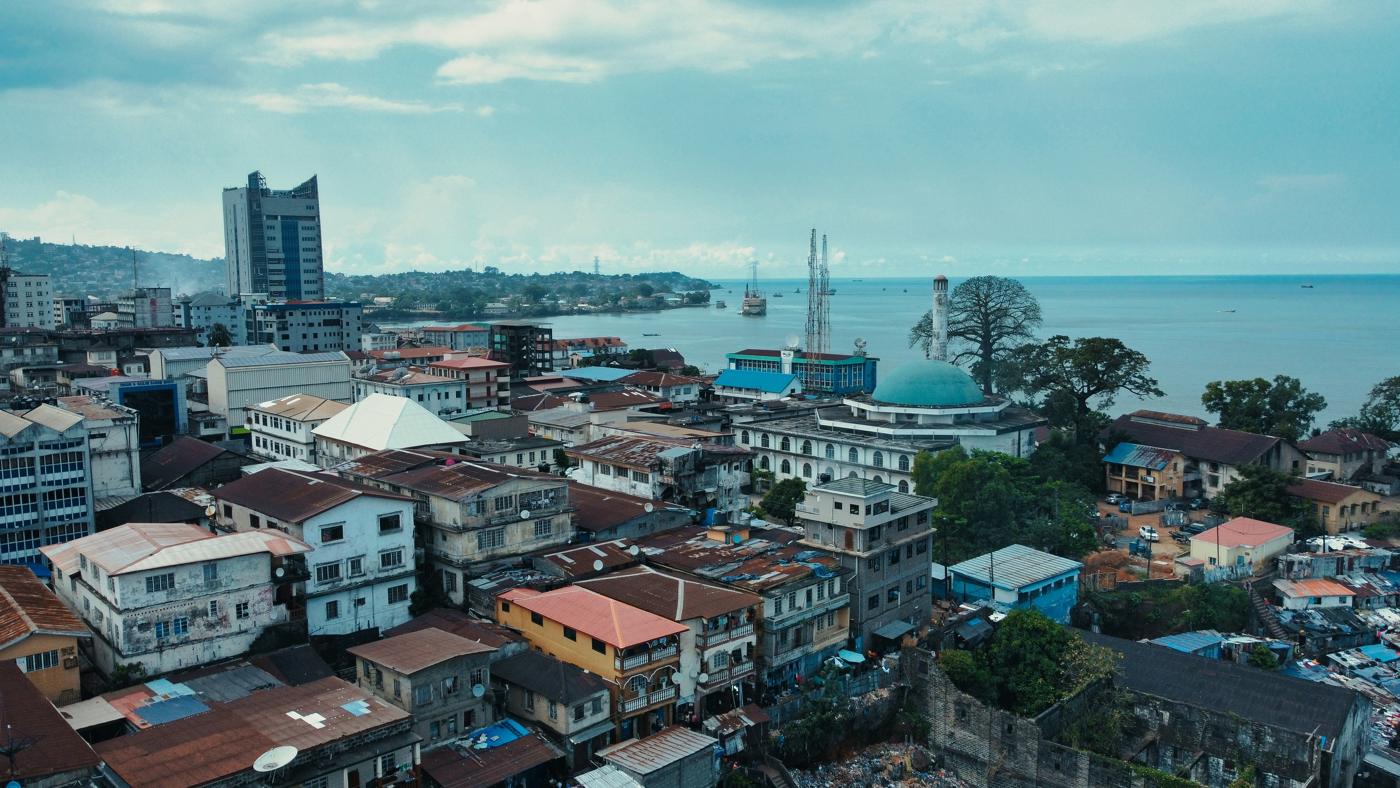
Sierra Leone has spent the past few years bringing its economy back under control. The exchange rate has calmed and borrowing has become cheaper. But global fuel and food prices are pushing costs up again. Here is what the latest data says, and what it means for business owners at home and for diaspora customers abroad.
Reforms are working, but pressure is building
After a May 2026 review, the IMF reported that tax collection and spending discipline had delivered a domestic primary surplus in 2025. Combined with tighter monetary policy, this helped steady the exchange rate, bring inflation down, lower borrowing costs, and improve private-sector access to credit.
The same review carried a warning. Revenue in early 2026 came in below expectations, and higher global energy and food prices are adding strain. The government introduced temporary fuel subsidies in April, and the IMF projects inflation will climb to about 11.6% by the end of the year before dropping to single digits in 2027.
What it means for you: if you run a shop, restaurant, or transport business, expect input and fuel costs to stay volatile through the end of the year. Review your prices and supplier terms now rather than after margins shrink.
A country that still buys more than it sells
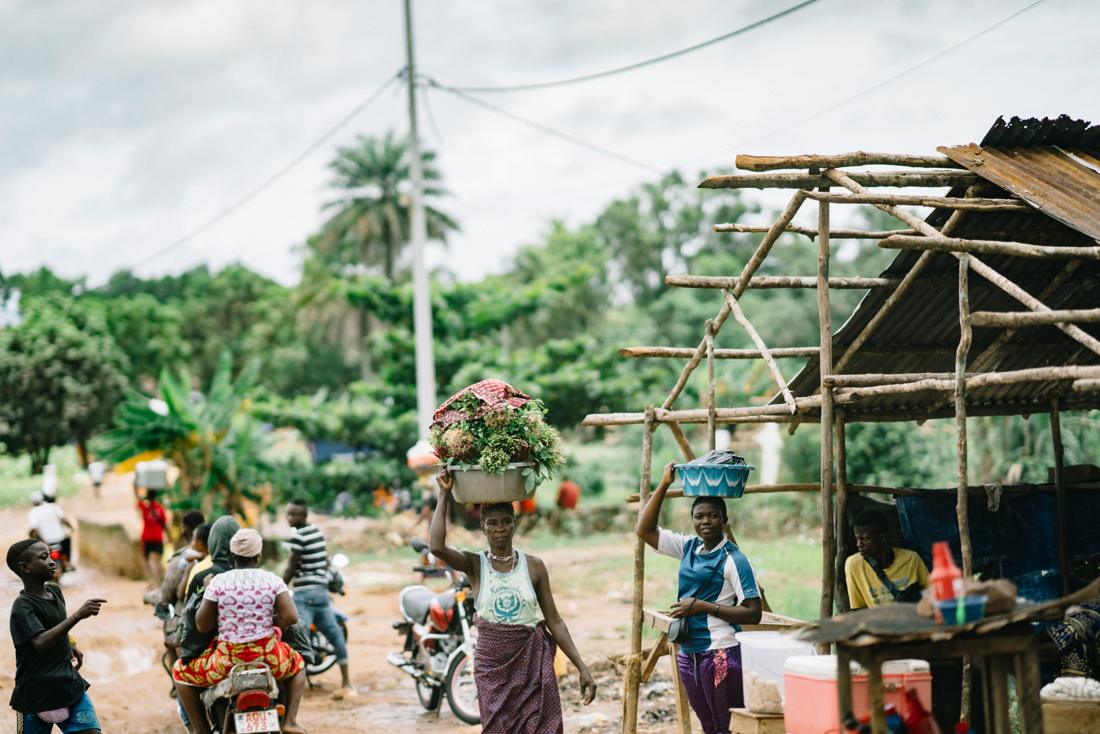
Exports have grown strongly, but imports have grown too. In 2024, Sierra Leone sold about $1.5 billion of goods abroad and bought about $2.0 billion, leaving a deficit of roughly half a billion dollars.
For local producers, this gap is an opening. Every category Sierra Leone imports, from packaged food to building materials, is a chance for a domestic business to win customers.
Mining and infrastructure lead the outlook
Coface expects mining exports to support growth in 2026, helped by renegotiated concession contracts and a new Mineral Wealth Fund. Iron ore output should expand at the Marampa and Tonkolili mines, and the Baomahun gold project could add exports. Diamond output at Tongo is expected to rise gradually, though the Koidu mine remains closed after a labour dispute in 2025.
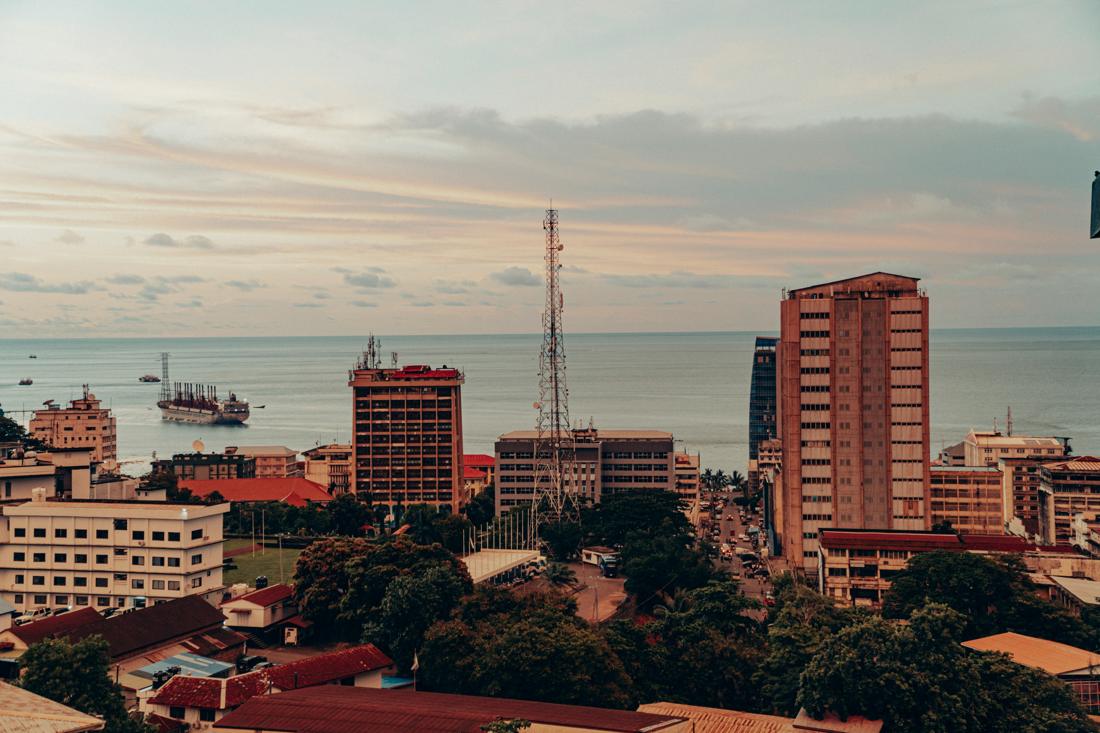
Infrastructure spending is another driver: the long-delayed bridge between Lungi and Freetown, road upgrades, port expansion, and water and electricity networks. Each project creates demand for suppliers, contractors, transport, and services, which is where many LinkSalone businesses operate.
The diaspora lifeline
Money sent home remains one of the economy's most important stabilisers. According to the Bank of Sierra Leone, remittances jumped 47% in the first quarter of 2024, from $111.8 million to $164.5 million, driven by family support ahead of Eid al-Adha and the Hajj.
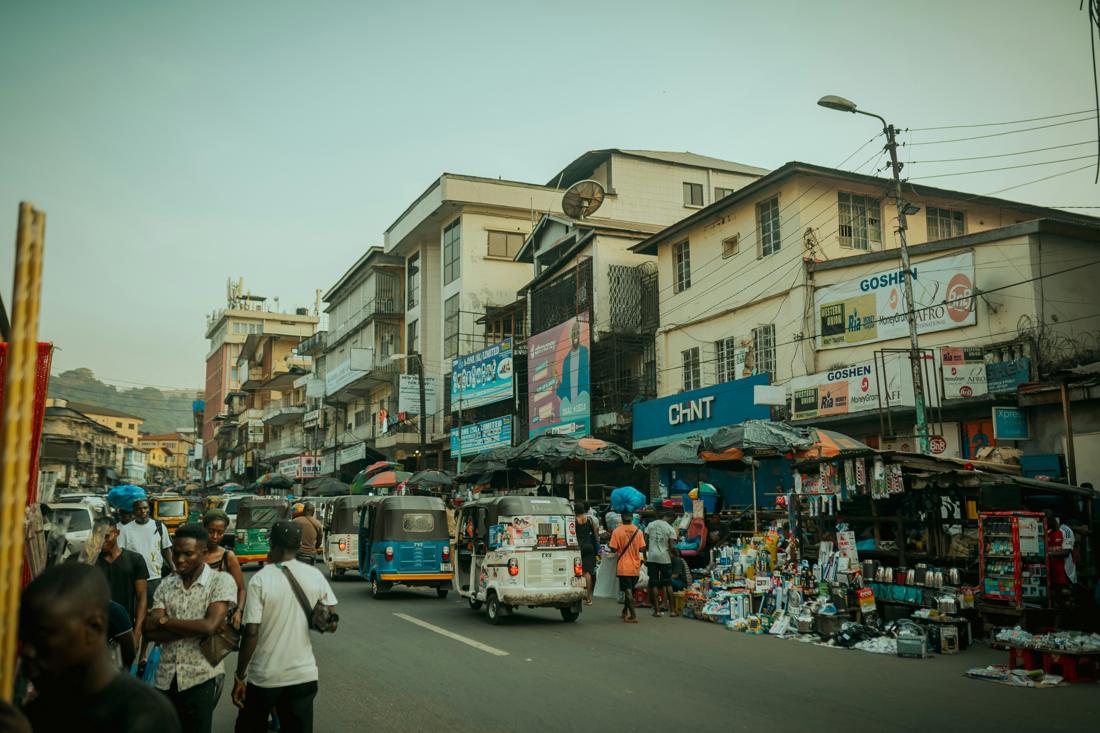
Remittances rise around holidays and festivals, which makes those periods the best time for businesses to reach diaspora buyers and for families abroad to find trusted vendors back home.
Three things to do this quarter
1. Watch your costs. With inflation expected to rise before it eases, revisit prices and lock in supplier terms where you can.
2. Look at what the country imports. If you make or can source a product locally, you are competing with a large, established import market.
3. Be findable by the diaspora. Festival and year-end seasons bring more money and more searching. A complete, accurate listing makes it easy for buyers abroad to find you.
Is your business listed on LinkSalone?
Reach customers in Sierra Leone and across the diaspora. Add or update your listing today.
Visit LinkSaloneSources: IMF mission statement on the third ECF review (May 2026), as reported by Sierra Eye Magazine; Coface Sierra Leone country risk file; UNCTADstat general profile for Sierra Leone (2024); Bank of Sierra Leone Monetary Policy Report, as reported by Awoko; Ministry of Finance 2026 Budget Call Circular. Figures are the latest available at publication and may be revised. This article is for general information, not financial advice.